

“Unsure about registering your car in California? This comprehensive guide breaks down the process step-by-step. From understanding the requirements to securing your unique vehicle plates, we’ll walk you through each crucial stage. Key elements include gathering essential documents, visiting a local DMV office for VIN verification, and paying registration fees. Ensure a smooth experience by following these clear instructions tailored for California residents.”
- Understanding the California Car Registration Process
- Gathering Necessary Documents for Registration
- Visiting a California Department of Motor Vehicles (DMV) Office
- Completing the Vehicle Identification Number (VIN) Verification
- Paying the Registration Fees and Obtaining Your Plate
Understanding the California Car Registration Process

Understanding the California Car Registration Process
Registering a car in California involves several key steps that ensure vehicles on the state’s roads meet safety and environmental standards. The process begins with gathering essential documents, including proof of ownership, insurance, and identification. Once these are prepared, the next crucial step is a DMV (Department of Motor Vehicles) vin verification, which checks the vehicle’s history to ensure it complies with all regulations. This includes verifying the Vehicle Identification Number (VIN), which uniquely identifies each car, through a comprehensive inspection that can be conducted by a mobile VIN inspection service for added convenience.
After the vin inspection is complete and any necessary repairs or updates are made, you’ll need to visit your local DMV office to formally register your vehicle. This involves submitting all required documents, paying the registration fees, and passing any emissions tests mandated by California’s environmental standards. A mobile VIN verifier can play a vital role here by providing on-site services, making the process smoother and more efficient for both you and the DMV.
Gathering Necessary Documents for Registration

Before you start the registration process, it’s crucial to gather all the necessary documents for a smooth transaction at the California DMV (Department of Motor Vehicles). This includes your vehicle’s registration papers from the previous state, proof of insurance, and identification documents like a driver’s license or state-issued ID. Additionally, the DMV requires a Vehicle Identification Number (VIN) verification, which can be done through a mobile vin inspection or vin inspection service to ensure the vehicle’s authenticity.
Among these, the VIN is a unique identifier for your car, vital for tracking its history and ensuring it complies with safety standards. A mobile vin verifier can quickly pull up information about the vehicle, including its make, model, year, and any reported accidents or outstanding loans. This step is not only essential for legal compliance but also helps protect you from potential issues that may arise in the future.
Visiting a California Department of Motor Vehicles (DMV) Office
Visiting a California Department of Motor Vehicles (DMV) Office is a crucial step in the car registration process. You’ll need to gather essential documents and undergo various checks, including a DMV VIN verification. This process ensures that your vehicle meets all safety and legal standards before it’s given the go-ahead for road use. During your visit, a DMV representative will inspect your car’s unique Vehicle Identification Number (VIN) to cross-reference it with their records, confirming ownership and ensuring everything is in order.
You can streamline this process by utilizing modern alternatives like a mobile VIN verifier or inspector. These services allow you to complete the VIN verification step conveniently, often saving you time and effort. Whether through a visit to a DMV office or a mobile inspection, ensuring your car’s registration complies with California’s requirements is vital for both safety and legal reasons.
Completing the Vehicle Identification Number (VIN) Verification
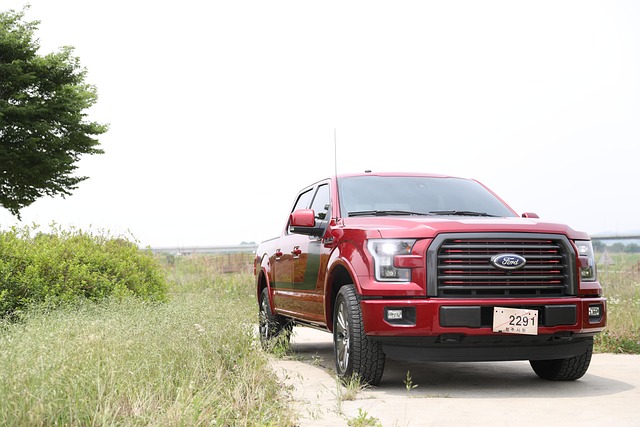
After gathering all the necessary documents and fees, the next step in registering your car in California is completing the Vehicle Identification Number (VIN) Verification process. This critical step ensures that your vehicle matches the information on file with the DMV. A mobile vin verifier or a professional inspection can be used to confirm the VIN’s accuracy. During this verification, a trained professional will cross-reference the unique 17-character code with the vehicle’s make, model, and year to guarantee authenticity.
A correct and verified VIN is essential as it protects both you and the state from potential fraud or theft. Once your VIN passes inspection, you’ll be one step closer to finalizing your car’s registration at the California DMV. This straightforward process, often facilitated by a mobile vin verification service, ensures that only legitimate vehicles are registered on the state’s records.
Paying the Registration Fees and Obtaining Your Plate

After completing your vehicle’s registration application at the California DMV (Department of Motor Vehicles), it’s time to pay the registration fees and obtain your license plate. The registration fees vary based on your vehicle type, age, and other factors, so ensure you have a clear understanding of what you owe before proceeding. You can typically pay online or in person at any DMV office using cash, check, debit, or credit cards.
Once the fees are settled, you’ll need to arrange for license plate issuance. In California, plates are usually issued within 20 business days after your application is approved. If you prefer a faster process, consider utilizing a mobile vin verifier or undergoing a mobile vin inspection to streamline the verification process. This service can help ensure that your vehicle’s information matches the records at the DMV, accelerating plate issuance.
Registering a car in California involves several straightforward steps. By understanding the process, gathering required documents, and completing essential tasks like DMV VIN verification, you can efficiently navigate the registration procedure. Once your vehicle passes inspection and all fees are paid, you’ll be on the road with a valid California car registration and license plate.