

Learn how to register your car in California with our comprehensive guide. This step-by-step process covers eligibility requirements, essential documents, and the role of the DMV and VIN Verifier. Discover what steps to take, from gathering needed paperwork to completing the registration process. Additionally, we’ll explore post-registration tasks and important considerations for a smooth experience. Ensure compliance with California regulations using our expert tips and insights involving the DMV and VIN Verifier.
- Eligibility Requirements for Car Registration in California
- Gather Necessary Documents for Car Registration
- The Role of the DMV and VIN Verifier in Car Registration
- Step-by-Step Process of Registering a Car in California
- Post-Registration Tasks and Important Considerations
Eligibility Requirements for Car Registration in California

To register a car in California, you must meet certain eligibility requirements set by the Department of Motor Vehicles (DMV). One crucial aspect is ensuring your vehicle complies with state safety and emissions standards. All vehicles, regardless of age, must pass an emission test unless they are exempt under specific criteria. Additionally, the car’s registration must be up-to-date in its previous state or country of origin, as verified by a valid Vehicle Identification Number (VIN) verifier, such as those provided by the DMV or authorized mobile VIN inspection services.
When it comes to eligibility, California also requires that vehicle owners have a valid driver’s license and proof of insurance. The registration process involves submitting necessary documents, including the application form, completed title transfer, and payment for fees. With the advent of digital services, many of these steps can now be completed online or through mobile VIN verification apps, making it easier for residents to navigate the car registration process.
Gather Necessary Documents for Car Registration

Before you can register your car in California, you’ll need to gather several important documents. The first step is to obtain a Vehicle Identification Number (VIN) verification report from the DMV or through a trusted mobile VIN verifier. This process ensures that your vehicle’s details match the information on record with the state. You’ll typically require proof of ownership, such as a title or bill of sale, and a valid driver’s license. Additionally, for models year 2001 and newer, you must present a valid emission test certificate, which can be obtained from an approved testing facility.
Some states might also ask for insurance information and registration fees. It’s crucial to double-check the specific requirements on the California DMV website or consult with a local agent to avoid any delays. For convenience, many people opt for mobile VIN inspection services that come to their location, making it easier to gather these necessary documents without the hassle of visiting multiple offices.
The Role of the DMV and VIN Verifier in Car Registration
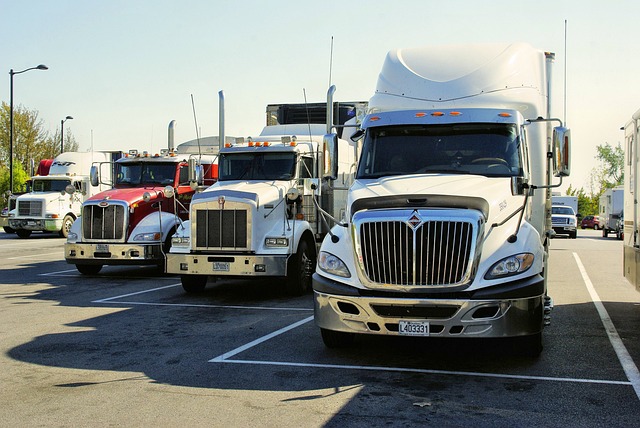
The Department of Motor Vehicles (DMV) plays a pivotal role in California car registration processes. It’s responsible for issuing vehicle registration cards, ensuring vehicles meet safety standards, and maintaining accurate records. During the registration process, a crucial step involves verifying the Vehicle Identification Number (VIN). This is where a DMV VIN verifier comes into play. They are authorized to check the VIN’s authenticity and history, confirming that the car has not been reported stolen and meets all necessary legal requirements.
A mobile VIN inspection or verification service further streamlines this process by offering on-site assessments. This convenience allows potential car owners to complete their registration without the hassle of visiting a DMV office. The verifier uses specialized tools to cross-reference the VIN with national databases, ensuring a thorough and efficient check that complements the services provided by the local DMV.
Step-by-Step Process of Registering a Car in California

Registering a car in California involves several straightforward steps, ensuring that your vehicle is legal and ready to hit the road. Here’s how to do it:
1. Prepare Required Documents: Gather essential paperwork, including the vehicle’s title, proof of insurance, and a valid driver’s license. If you’re buying from a dealer, they might handle some of these for you. For used cars, ensure you have the correct forms signed by the previous owner. The California Department of Motor Vehicles (DMV) also requires your Vehicle Identification Number (VIN) to be verified using a trusted method like a mobile vin verification or inspection service to prevent fraud.
2. Visit Your Local DMV Office: Head to your nearest DMV office with your documents. You’ll need to fill out an application for vehicle registration, which includes providing information about the car, its previous owners (if applicable), and passing a safety inspection. In some cases, you can use a mobile vin verifier to ensure the VIN on file matches the one on your vehicle, streamlining the process. After submitting your application and paying the required fees, the DMV will issue a registration certificate, and your car will be officially registered in California.
Post-Registration Tasks and Important Considerations

After successfully registering your vehicle with the California DMV, there are several essential post-registration tasks to complete to ensure compliance and maintain a smooth ownership experience. One crucial step is obtaining a Vehicle Identification Number (VIN) verifier from the DMV, which allows you to verify the vehicle’s history and ensures it meets safety standards. The DMV’s VIN verifier service plays a pivotal role in providing critical insights into the car’s past, including any accidents, outstanding recalls, or potential fraud.
Additionally, considering a mobile VIN inspection can offer convenience and peace of mind. Mobile vin verifiers provide on-site vehicle history reports, enabling you to cross-check the information against the DMV records instantly. This is especially beneficial when purchasing a used car, as it helps identify any discrepancies or hidden issues early in the ownership process. Remember, staying informed about your vehicle’s history and regularly updating your registration details are vital steps in responsible vehicle ownership.
Registering a car in California is a straightforward process once you understand the requirements and have gathered all necessary documents. The DMV and VIN verifier play crucial roles in ensuring vehicle eligibility and accuracy. By following the step-by-step guide provided, you can efficiently navigate the registration process. Remember to complete post-registration tasks, such as obtaining insurance and registering your vehicle with the appropriate tax authority, to ensure legal compliance and avoid any penalties.