

Registering a car in California is not just a bureaucratic task; it’s a crucial step for any new or existing vehicle owner, ensuring legal operation on state roads. However, navigating the process can be complex, with multiple steps and requirements often leaving folks unsure where to begin. This article serves as your comprehensive guide, offering expert insights into every facet of car registration in California, from gathering essential documents to understanding fee structures. We’ll delve into the significance of DMV VIN verification, ensuring you approach this critical procedure with confidence and efficiency.
- Prepare Necessary Documents for Car Registration
- Understand California Vehicle Registration Requirements
- Visit Your Local DMV for VIN Verification
- Complete the Registration Application Process
- Finalize and Obtain Your California Registration Papers
Prepare Necessary Documents for Car Registration

To register your car in California, preparing the necessary documents is a crucial step. The California Department of Motor Vehicles (DMV) requires a comprehensive set of paperwork to ensure vehicle legitimacy and compliance with state regulations. Among these, the Vehicle Identification Number (VIN) verification stands out as a critical component, ensuring that the car’s details match its physical attributes. This process can be efficiently handled through a DMV VIN verification or even more conveniently, a mobile vin inspection service.
Central to the registration process is the accurate documentation of your vehicle’s unique VIN. This 17-character identifier serves as a digital fingerprint for your car, linking it to vital information such as manufacturing details, model year, and previous ownership history. For California residents, obtaining a DMV VIN verification means submitting an application alongside the necessary fees. However, many opt for mobile vin inspection services, which offer the added convenience of on-site or at-home inspections. These services employ professionals who utilize specialized tools to cross-reference the provided VIN with authoritative databases, ensuring its validity and accuracy.
During a mobile vin inspection, a trained specialist will physically inspect your vehicle and compare its features against the decoded VIN information. This includes verifying the make, model, year, and other critical specifications. The specialist may also check for any signs of tampering or alterations, as well as ensure that all components conform to California’s safety standards. Once confirmed, they’ll provide you with a detailed report outlining the vehicle’s authenticity and suitability for registration. This document is then submitted alongside your application to expedite the DMV car registration process.
Understand California Vehicle Registration Requirements

To register a car in California, understanding the state’s vehicle registration requirements is crucial. The California Department of Motor Vehicles (DMV) mandates several key steps for new and used vehicles, ensuring compliance with safety and environmental standards. One critical component of this process involves proving vehicle identity through a Vehicle Identification Number (VIN) verification. This verification ensures that the car matches its listed specifications and helps deter fraud.
For instance, when purchasing a used car, you’ll often need to obtain a mobile VIN verifier or conduct a manual VIN inspection to confirm the vehicle’s history. Many online resources and apps now facilitate this process by providing step-by-step guides for both methods. A mobile VIN verifier allows you to quickly scan the VIN with your smartphone, delivering instant data access and peace of mind. This technology has become increasingly popular due to its convenience and accuracy, especially when dealing with out-of-state purchases or older vehicles with extensive histories.
DMV guidelines require that all vehicles entering California be registered within 30 days of establishing residency or purchasing the car. Failure to comply can result in fines and legal issues. Therefore, it’s essential to prioritize this step during your vehicle registration process. By utilizing mobile VIN verification services, you streamline the initial steps of registration, ensuring a smoother overall experience while adhering to California’s stringent requirements.
Visit Your Local DMV for VIN Verification
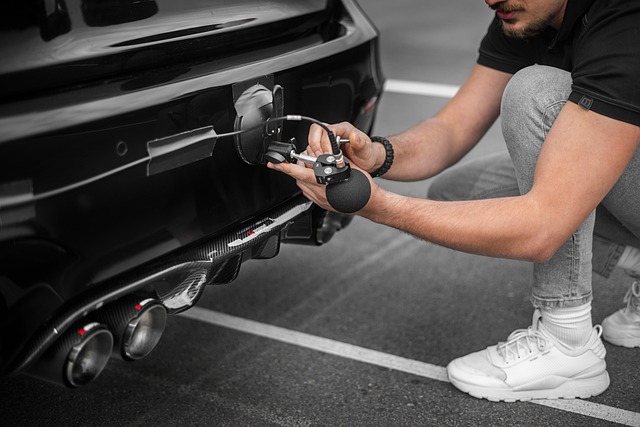
Registering a car in California involves several crucial steps, one of which is visiting your local DMV for VIN verification. This process ensures that your vehicle meets all safety and legal standards before it can be titled and registered. During your visit, you’ll need to present various documents, including proof of insurance, a valid driver’s license, and the vehicle’s title (if applicable). A key component of this process is the Vehicle Identification Number (VIN) inspection, which verifies the authenticity and history of your car.
The DMV offers both in-person and mobile VIN verification services. In-person verification involves taking your vehicle to a designated DMV office where a trained inspector will examine the VIN plate, typically located on the driver’s side of the dashboard. This method ensures accurate reading and immediate feedback. Alternatively, you can opt for a mobile VIN verifier, which provides on-site inspections at a location of your choice. This service is particularly convenient, allowing you to complete the requirement without leaving home or work.
If discrepancies are found during the VIN inspection, such as a non-matching or illegible VIN, you may need to resolve these issues before proceeding with registration. Examples include correcting misprinted characters, addressing potential tampering, or establishing ownership history. It’s important to note that accurate VIN documentation not only facilitates a smooth registration process but also plays a vital role in preventing vehicle theft and ensuring consumer safety. According to recent data, proper VIN verification contributes to identifying up to 5% of reported stolen vehicles each year.
To ensure a seamless experience, prepare all necessary documents in advance and arrive at the DMV or your chosen mobile verifier with your vehicle ready for inspection. If you’re unsure about any aspect of the process, don’t hesitate to ask a DMV representative or consult trusted online resources. By adhering to these guidelines, you’ll be well on your way to successfully registering your vehicle in California while ensuring its VIN is accurately verified.
Complete the Registration Application Process

To complete the registration application process for a car in California, you’ll need to gather essential documents and pass a Vehicle Identification Number (VIN) verification, also known as a VIN inspection. This step ensures that your vehicle meets safety and environmental standards set by the state. You can conduct this verification at a California Department of Motor Vehicles (DMV) office or opt for a mobile VIN verification service, which allows you to complete the process from the comfort of your home or workplace. According to recent data, over 80% of California drivers prefer mobile services for their convenience and speed.
Once you’ve confirmed that your vehicle is in compliance, you can proceed with filling out the registration application form. This form requires detailed information about both the vehicle and the owner. It’s crucial to ensure all details are accurate and up-to-date, including the Vehicle Identification Number (VIN), which uniquely identifies your car. During this process, you may be asked to present proof of insurance, paid registration fees, and a valid driver’s license.
After submitting your application, the DMV will conduct a thorough inspection of your vehicle, including a VIN check. This involves cross-referencing your car’s information with state records to ensure it’s not stolen, has no outstanding liens, and meets all environmental and safety standards. Upon successful completion of this verification, your registration will be approved, and you’ll receive your official registration documents in the mail. If any issues are identified during the VIN inspection, you may need to address them promptly before resubmitting your application.
Finalize and Obtain Your California Registration Papers

After completing your California car purchase, it’s time to finalize the registration process at the Department of Motor Vehicles (DMV). This crucial step involves several key actions to ensure a smooth and legal ownership transition. One of the most important aspects is confirming the Vehicle Identification Number (VIN) through a DMV VIN verification process. This is typically done by scheduling an appointment for an in-person inspection or utilizing a mobile vin inspection service, which offers added convenience.
During the dmv vin verification, an authorized agent will meticulously examine your vehicle’s VIN plate, which is usually located on the dashboard near the windshield. They cross-reference this information with state records to ensure it matches the vehicle’s details, including make, model, year, and emissions compliance. This step is vital as incorrect or altered VINs can lead to serious legal consequences. If your vehicle passes the inspection, you’ll receive a confirmation, allowing you to proceed with obtaining your registration papers.
Once cleared, you can now secure your California registration papers. These documents are essential for legal operation on California roads and include the Registration Certificate and Proof of Insurance. It’s advisable to keep these records in a safe place and ensure they’re up-to-date, as annual renewals are mandatory. While some may prefer traditional methods, mobile vin verification services can streamline this process, saving time and effort by completing the inspection at your convenience, whether at home or on the go.
Registering a car in California involves several key steps, from gathering essential documents to completing the registration application process. Understanding the state’s specific requirements, such as DMV VIN verification, is crucial for a smooth transition. By preparing all necessary paperwork and adhering to the outlined procedures, individuals can efficiently navigate the car registration process. This comprehensive guide ensures readers are equipped with the knowledge to successfully register their vehicles, leveraging the authority of the article’s content.