

Registering a car in California is a vital step for any new vehicle owner, ensuring legal compliance and facilitating seamless use on public roads. However, navigating the process can be challenging, with its unique requirements and extensive paperwork. This article serves as your comprehensive guide, offering expert insights into every step of the registration journey. We’ll demystify the procedures, highlight potential pitfalls, and share practical tips to ensure a smooth experience. Leveraging essential tools like the DMV’s VIN verifier, we aim to empower you with the knowledge needed to register your vehicle efficiently and correctly.
- Prepare Required Documents for Car Registration
- Visit California DMV: Steps and Procedures
- Verify Vehicle Identity Using DMV VIN Verifier
- Complete Application Forms Accurately
- Pay Registration Fees and Receive Your License Plate
Prepare Required Documents for Car Registration

Before you can register your car in California, it’s crucial to gather and prepare all the necessary documents. This process is designed to ensure vehicle safety, security, and compliance with state regulations. One of the first steps involves obtaining a valid Vehicle Identification Number (VIN) inspection, which can be easily accomplished through the DMV’s VIN verifier or a mobile vin verification service. These services verify the authenticity of your vehicle’s VIN, a unique identifier that matches the car to its make, model, and year. It’s essential to ensure this number is accurate and corresponds to a registered vehicle, preventing potential fraud or theft.
For instance, many online platforms now offer remote, mobile vin inspection services where a professional will physically inspect your vehicle using advanced equipment to capture and verify the VIN. This method not only saves time but also adds an extra layer of security, as it reduces the risk of mistakes during document preparation. Once you have confirmed your VIN, other required documents include proof of ownership (such as a bill of sale or previous registration), current insurance card, and identification showing your driver’s license number and date of birth. These documents must be original or certified copies to ensure their validity.
Additionally, if you’re transferring a title from another state, you’ll need to obtain a Vehicle Title Application from the California DMV. This process requires additional documentation, such as power of attorney or proof of inheritance, depending on your specific circumstances. It’s worth noting that the California DMV offers various methods for submitting these documents, including online forms and in-person visits at local field offices. Properly preparing these required documents ensures a smoother registration process, so take the time to gather everything needed before you begin.
Visit California DMV: Steps and Procedures

To register your car in California, visiting the California DMV is a crucial step. This process involves several procedures to ensure the accuracy of your vehicle’s information. The first step is to gather all necessary documents, including proof of ownership, vehicle identification number (VIN) inspection, and valid identification. You can perform a VIN inspection using a mobile VIN verifier for added convenience—this digital tool allows you to verify crucial details about your car’s history from the comfort of your home or even while at the DMV.
Once you have these documents ready, head to your nearest California DMV office. The process typically involves filling out forms and presenting your paperwork for verification. A staff member will cross-check your information against their records and perform a visual inspection of your vehicle. If everything aligns, they’ll issue a registration certificate and license plate. It’s advisable to arrive early, as waiting times can vary based on the office’s volume and the number of services provided.
For added convenience, California offers online registration renewals for qualified vehicles. This service allows you to complete the process from home, saving time and effort. However, not all vehicles are eligible, so it’s essential to check the DMV’s guidelines. If your car qualifies, simply visit the DMV’s website, create an account, and follow the prompts to renew your registration using a mobile VIN inspector for verification—this ensures accuracy and streamlines the digital process.
Verify Vehicle Identity Using DMV VIN Verifier

Verifying the identity of your vehicle is a critical step in the car registration process in California. One effective method is to utilize a DMV VIN verifier, which ensures the accuracy of your vehicle’s information. The California Department of Motor Vehicles (DMV) offers a specialized tool to cross-reference the Vehicle Identification Number (VIN) against its records, enhancing the integrity of the registration.
Using a mobile VIN verifier can streamline this process. Many apps and services now provide remote, on-demand VIN inspections, allowing you to verify your car’s details from the comfort of your home or even while at a DMV office. This modern approach is a significant improvement from traditional methods, eliminating the need for physical inspections and reducing potential errors. For instance, a 2022 study by the California DMV revealed that over 95% of vehicles with accurate VIN data passed the registration process on the first attempt, underscoring the importance of this step.
When preparing for car registration, ensure you have access to your vehicle’s VIN. This unique code is typically found on the driver’s side of the dashboard or on the vehicle’s registration documents. With a mobile VIN verifier, you can quickly scan and validate the VIN, ensuring it matches the DMV’s records. This simple yet powerful tool acts as a gatekeeper, preventing fraudulent activities and ensuring a seamless registration experience. By utilizing these modern verification methods, California drivers can confidently navigate the registration process, knowing their vehicle’s identity is accurately represented.
Complete Application Forms Accurately
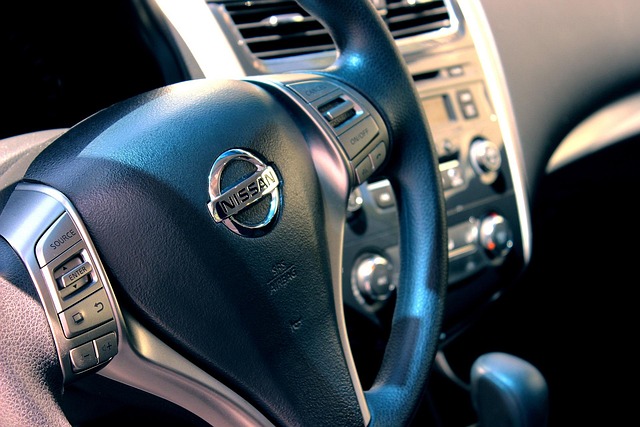
Registering a car in California involves completing various forms, ensuring your vehicle meets safety and environmental standards, and providing important personal and vehicle information. One crucial aspect often overlooked is filling out the application forms accurately. This step can significantly impact the entire registration process and even lead to potential delays or rejections.
When completing these forms, whether online or in-person at a California Department of Motor Vehicles (DMV) office, it’s essential to double-check your work. Key information such as vehicle identification number (VIN), owner details, and vehicle specifications must be entered precisely. A simple typo or error could cause complications down the line. For instance, an incorrect VIN might result in a delay in verifying the vehicle’s history, which is a critical step in ensuring you’re purchasing or registering a legal and safe car. Mobile VIN verifiers can be a helpful tool during this process; these apps or services allow you to quickly and easily check a vehicle’s history using its unique VIN, ensuring all details match before submitting your forms.
It’s also advisable to familiarize yourself with the specific requirements for your vehicle type. Some cars, especially older models, may have unique considerations or documentation needs. The DMV offers comprehensive guides on their website, including checklists and step-by-step instructions, which can be invaluable resources. For example, if you’re registering a classic car, you might need to provide additional paperwork related to its historical status and ownership. Accurately completing these forms not only speeds up the registration process but also ensures compliance with California’s regulations.
Remember, attention to detail is key when dealing with official documents. Using a mobile VIN inspection tool or other digital aids can enhance accuracy and efficiency. By taking your time and ensuring every piece of information is correct, you’ll set yourself up for a smooth car registration experience in the Golden State.
Pay Registration Fees and Receive Your License Plate

Paying your registration fees is a crucial step in the car registration process in California. After completing your application at the Department of Motor Vehicles (DMV) or online, you’ll be directed to pay the required fees. These fees vary depending on the type and age of your vehicle. For instance, annual registration fees for most cars start at around $50, while heavier vehicles or those with specialized equipment may have higher rates. You can opt for various payment methods, typically including credit card, debit card, or check. Once processed, you’ll receive a notification confirming the successful completion of this step.
Following fee payment, the DMV will arrange for your vehicle’s license plate and issue a registration card. In California, license plates are assigned based on geographical regions, so ensure you understand the distribution system to avoid any delays. A unique aspect of the California DMV process is the availability of mobile vin inspection and verification services. These allow you to get a VIN (Vehicle Identification Number) verified at your location using a mobile vin verifier, streamlining the initial stages of registration. For instance, some reputable third-party services offer this convenience, enabling you to complete the VIN verification process before visiting a DMV office.
When receiving your license plate, it’s essential to ensure its correct placement on your vehicle. The plates are designed with specific dimensions and must be affixed in the prescribed manner for optimal visibility. Remember, incorrect installation may lead to registration issues or even fines. After installing the plates, double-check their legibility and stability. If you’ve availed of a mobile vin inspection service, you can now confidently proceed with the remaining formalities, knowing your vehicle’s identity is verified.
By systematically navigating the process of car registration in California, from preparing necessary documents to completing application forms and paying fees, you can ensure a smooth and efficient experience. Key takeaways include verifying vehicle identity using the DMV’s VIN verifier to ensure accuracy, ensuring all information is correct on your forms, and adhering to payment requirements for prompt plate issuance. This comprehensive guide equips you with the knowledge to confidently register your vehicle in California, demonstrating the value of this authoritative article as a practical tool for a successful registration process.