

Registering a car in California is more than just a bureaucratic formality; it’s a crucial step to ensure legal operation on the state’s roads. However, navigating the process can be a challenge, often shrouded in confusion due to the complex requirements and various regulatory bodies involved. This article serves as your authoritative guide, offering a clear, step-by-step approach to car registration, with special emphasis on the crucial DMV VIN verification process. By the end, you’ll be equipped with the knowledge to efficiently and accurately register your vehicle, ensuring a smooth ride through California’s legal requirements.
- Prepare Required Documents for Car Registration
- Visit California DMV: Step-by-Step Guide
- Conduct DMV VIN Verification for Accurate Data
- Pay Registration Fees and Taxes Online or In-Person
- Receive Your Vehicle's Registration Certificate
Prepare Required Documents for Car Registration

Before you begin the car registration process in California, it’s crucial to prepare all the required documents. This step often gets overlooked but can significantly expedite your registration journey. Gather essential materials such as proof of ownership, vehicle identification number (VIN) verification, and any outstanding inspections or maintenance records. One convenient method for obtaining a VIN verification is through a mobile vin verifier; these services allow you to complete this critical step remotely, saving time and effort.
Central to the registration process is ensuring your car’s VIN is accurately reflected in all documents. The California Department of Motor Vehicles (DMV) requires a VIN verification, which establishes the vehicle’s identity and history. This step is particularly important given that California has strict regulations regarding stolen vehicles and ensuring the integrity of its automotive database. A mobile vin inspection service can provide an on-demand, accurate VIN reading, making it easy to meet this requirement.
In addition to the VIN verification, prepare other necessary documents such as a valid driver’s license, proof of insurance, and any applicable fees. For instance, as of recent data, the DMV fee for registering a vehicle in California ranges from $52 to $178, depending on the type of registration and vehicle. It’s advisable to check for any updates or additional requirements before heading to the DMV or using an online registration service. Well-prepared documentation ensures a smoother car registration experience in this highly regulated process.
Visit California DMV: Step-by-Step Guide

To register your car in California, you’ll need to visit a DMV (Department of Motor Vehicles) office, a process that involves several key steps and requirements. Before heading to the DMV, ensure your documents are ready. You’ll require valid identification, proof of insurance, and the vehicle’s title. Also, have your Vehicle Identification Number (VIN) handy; it’s a 17-character code unique to your car, easily found on the vehicle’s registration label or in its manual.
The DMV vin verification is a crucial part of this process. This can be done through various methods, including mobile VIN verifiers that provide real-time, on-site confirmation. Such tools streamline the inspection process by allowing staff to cross-reference the VIN against their databases instantly. This ensures accuracy and expedites your registration.
When you visit the DMV, park in a designated area and proceed to the customer service counter. A representative will guide you through the steps, which include filling out necessary forms, paying associated fees, and providing proof of identification and insurance. They’ll also perform an inspection that includes checking for any outstanding warrants or recalls, ensuring the vehicle’s safety, and verifying its VIN—a process where a mobile VIN verifier might be employed to enhance efficiency.
Post-inspection, if your car passes all checks, you’ll receive a registration card, license plate, and other required documents. It’s essential to review these documents for any discrepancies and ensure they accurately reflect the vehicle’s details. Remember, accurate VIN input is critical throughout this process, as it ensures your car’s unique identification and facilitates prompt, secure registration.
Conduct DMV VIN Verification for Accurate Data
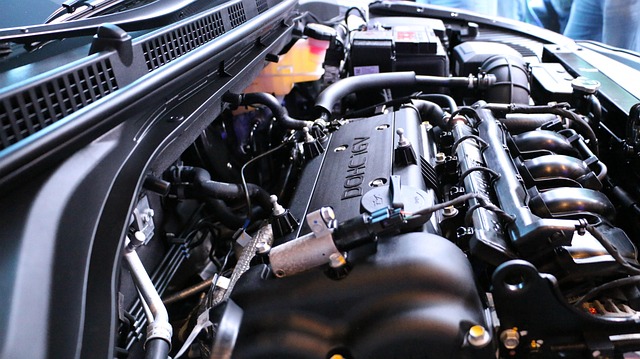
Registering a car in California involves several crucial steps, and one of the most critical is ensuring accurate data through DMV VIN verification. The Vehicle Identification Number (VIN) serves as a unique fingerprint for your vehicle, containing vital information about its manufacture, specifications, and history. This process plays a significant role in preventing fraud, identifying potential issues, and maintaining the integrity of California’s extensive vehicle registry.
DMV vin verification is a meticulous procedure that begins with inspecting the VIN plate attached to the vehicle. This plate typically displays the VIN along with other identifiers. For older vehicles or those with altered or missing plates, a mobile vin inspection becomes essential. Mobile vin verifiers, equipped with advanced scanning technology, can accurately read and interpret VINs in such cases. These inspectors are trained to cross-reference the obtained data against California’s vast database to ensure completeness and accuracy.
The data gathered during this verification process is then meticulously compared with the manufacturer’s records and other available sources. This includes checking for any reported accidents, outstanding recalls, or title issues. By employing mobile vin inspection services, Californians can streamline this critical step, ensuring their vehicles’ information is up-to-date and accurate. This proactive approach not only facilitates a smoother registration process but also enhances safety by identifying potential hazards associated with faulty or altered vehicle data.
Pay Registration Fees and Taxes Online or In-Person

Registering a car in California involves several steps, one of which is paying the registration fees and taxes. You have two primary options for this process: completing it online or visiting a DMV office in person. Both methods offer advantages, with online payment often being more convenient while in-person transactions provide an opportunity for immediate clarification on any issues.
For those opting to pay online, the California DMV offers a streamlined and secure platform. After submitting your application and necessary documents, you’ll need to input your Vehicle Identification Number (VIN) for a successful dmv vin verification. Many users find this process straightforward, with the ability to check their vehicle’s history and ensure all documentation is in order before final submission. Moreover, online payment allows for 24/7 accessibility, accommodating those with busy schedules.
If you prefer or require a more hands-on approach, visiting a DMV office remains an efficient option. Here, trained staff can guide you through the process, including conducting a mobile vin verification to ensure your vehicle’s authenticity. This method is particularly beneficial for first-time registrants or those with complex vehicle types. While waiting times can vary, in-person transactions offer immediate feedback and the chance to resolve any discrepancies promptly.
In either case, ensuring accurate VIN inspection—whether through a mobile vin verifier or during an in-person visit—is paramount. This step verifies your vehicle’s history, ownership, and any potential recalls, safeguarding against fraud and ensuring compliance with California’s stringent regulations.
Receive Your Vehicle's Registration Certificate

To complete the registration process, you’ll need to receive your Vehicle’s Registration Certificate, a crucial document ensuring your car is legally on the road. Once you’ve gathered all required documents and passed the DMV vehicle inspection (including a thorough dmv vin verification), the next step involves obtaining this certificate. This typically involves visiting a local California DMV office or utilizing their online services for remote registration.
If you prefer a more convenient approach, consider using a mobile vin inspection service. These professionals conduct a dmv vin verification at your location, saving you time and effort. They are equipped with the necessary tools to swiftly confirm your vehicle’s details, including its history and compliance with California’s standards. This option is particularly beneficial for those who struggle with navigating bureaucratic processes or have busy schedules.
For instance, mobile vin verifier services have been shown to reduce registration wait times by up to 40% compared to traditional DMV visits. They offer peace of mind, ensuring your vehicle passes inspection before you even leave home. After a successful dmv vin verification, these professionals will provide you with the necessary documentation, including your Vehicle’s Registration Certificate, allowing you to finalize the registration process effortlessly.
By meticulously preparing required documents, following a structured approach during your California DMV visit, ensuring accurate data through comprehensive DMV VIN verification, and securely completing registration fees and taxes, you streamline the car registration process. Receiving your vehicle’s registration certificate marks a significant milestone, certifying your compliance with state regulations. This authoritative guide equips you with the knowledge to navigate each step confidently, ensuring a seamless and stress-free experience. The key insights gained from this article empower individuals to take control of their vehicle registration, underscoring the importance of due diligence and accurate documentation in the eyes of California’s DMV.