

Learn how to register your car in California with our comprehensive guide. This step-by-step process includes understanding the DMV’s VIN verification, gathering essential documents, and navigating the registration steps smoothly. We also cover common issues and important tips to ensure a hassle-free experience. By following these guidelines, you’ll efficiently complete your vehicle’s registration in no time, ensuring compliance with California regulations. Key SEO keywords: dmv vin verification.
- Understanding the DMV VIN Verification Process
- Gather Required Documents for Car Registration
- Step-by-Step Guide to Registering Your Vehicle in California
- Common Issues During the Registration Process and How to Address Them
- Important Tips for a Smooth Car Registration Experience
Understanding the DMV VIN Verification Process

When registering a car in California, understanding the DMV’s VIN (Vehicle Identification Number) verification process is crucial. This involves ensuring that your vehicle meets all safety and emission standards before it can be cleared for registration. The Department of Motor Vehicles (DMV) will cross-reference the VIN against their records to verify the vehicle’s history, including any recalls or outstanding issues.
One efficient way to streamline this process is through mobile VIN verification services. These services, offered by mobile vin verifiers or mobile vin inspectors, allow you to get real-time results from your smartphone. By scanning the VIN using a dedicated app, these tools can provide instant insights into the vehicle’s condition and history, making it easier for both individuals and DMV staff to navigate the verification step during the registration process.
Gather Required Documents for Car Registration

Before heading to the DMV for car registration, ensure you have all the necessary documents in order to streamline the process. The first step involves verifying your vehicle’s unique identifier—the Vehicle Identification Number (VIN). This critical piece of information is typically found on the vehicle’s registration certificate or located under the windshield on older models. You can also perform a mobile VIN verification using specialized apps for added convenience.
Additionally, gather important paperwork such as proof of ownership (a title document), your driver’s license, and valid insurance papers. A recent emissions test report is also mandatory in California. Some jurisdictions offer the option of a mobile VIN inspection to simplify the preparation process, especially if you’re unsure about any documentation requirements.
Step-by-Step Guide to Registering Your Vehicle in California
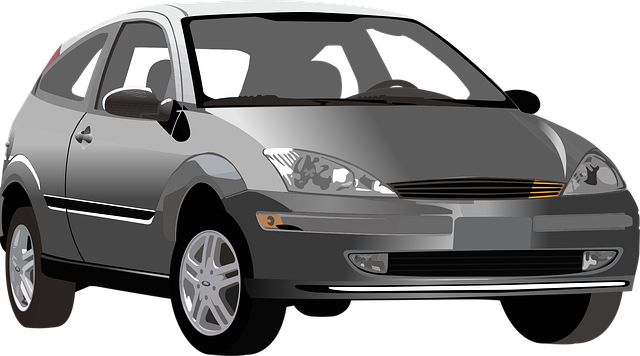
Registering a car in California involves several steps, but with proper preparation, it can be a straightforward process. Here’s a step-by-step guide to help you navigate through the registration process smoothly. First, ensure your vehicle meets all safety and emission standards by getting a comprehensive mobile vin inspection or verification from a trusted service provider. This involves checking the Vehicle Identification Number (VIN) to confirm the car’s make, model, year, and other vital details.
Next, gather essential documents such as proof of ownership (vehicle title), current registration (if available), insurance proof, and valid identification like a driver’s license or state-issued ID card. Visit your local California Department of Motor Vehicles (DMV) office with these documents. You’ll complete an application for vehicle registration, pay the required fees, and pass any necessary inspections to ensure your car complies with state regulations. After verification through dmv vin verification, your vehicle will be registered, and you’ll receive a new registration certificate.
Common Issues During the Registration Process and How to Address Them

During the registration process for a car in California, several common issues can arise, causing delays or even rejection. One frequent problem is an incorrect or incomplete Vehicle Identification Number (VIN) verification. The Department of Motor Vehicles (DMV) requires a valid and accurate VIN to ensure the vehicle’s history aligns with the provided details. If you’re facing this issue, double-check your VIN from the vehicle’s registration documents or the manufacturer’s website, ensuring it matches precisely what you enter during the registration process.
Additionally, some customers struggle with obtaining necessary documents, such as proof of insurance or a clean driving record. These may require additional time to gather and verify. To expedite this process, consider using mobile VIN verification services that can provide instant vehicle history reports. This alternative, like a mobile VIN inspection, allows for on-the-go document validation, ensuring you have all the required paperwork ready when visiting the DMV.
Important Tips for a Smooth Car Registration Experience
When registering your car in California, preparing beforehand can make the process much smoother. One key tip is to ensure your vehicle’s documents are in order, including proof of ownership and insurance. Additionally, familiarize yourself with the required inspections, such as the DMV VIN verification, which checks the vehicle identification number (VIN) for any discrepancies.
Consider utilizing a mobile VIN verifier or conducting a VIN inspection before visiting the DMV. These steps can help identify potential issues early on, avoiding delays or complications during registration. Remember to bring all necessary documents, maintain accurate records, and stay informed about California’s specific registration requirements for a seamless car registration experience.
Registering a car in California is a straightforward process, but understanding the requirements and potential issues can save you time and hassle. The DMV VIN verification process ensures vehicle authenticity, and by gathering all necessary documents beforehand, you streamline the registration journey. Follow our step-by-step guide, address common problems confidently, and remember to keep important tips in mind for a smooth experience. With these strategies, you’ll be on your way to becoming a California car owner in no time.