

Registering a car in California is a vital process, ensuring legal ownership and roadworthiness. However, navigating the bureaucracy can be daunting for new vehicle owners. This comprehensive guide aims to demystify the registration process, offering step-by-step instructions to ensure a smooth experience. We’ll delve into crucial aspects like gathering necessary documents, understanding fees, and even highlight the significance of VIN verification for accurate record-keeping. By following these expert insights, readers will gain the knowledge to confidently register their vehicles in the Golden State.
- Prepare Required Documents for Car Registration
- Gather Vehicle Information and VIN Verification
- Visit a California Department of Motor Vehicles (DMV) Office
- Complete the Registration Application Process
- Pay Fees and Obtain Your Vehicle Registration Documents
Prepare Required Documents for Car Registration

Registering a car in California involves several steps, and one of the critical initial tasks is preparing the required documents for car registration. This process ensures that your vehicle meets all necessary standards and legal requirements before hitting the roads. Among these documents, the Vehicle Identification Number (VIN) verification stands out as a crucial element. The VIN, unique to each vehicle, serves as a digital fingerprint, enabling officials to confirm the car’s authenticity and history.
For instance, California requires a valid VIN inspection or verification as part of the registration process. This can be achieved through traditional methods by visiting an authorized inspection station or, more conveniently, with a mobile VIN verification service. The latter offers a swift and efficient solution, allowing you to conduct the VIN check from the comfort of your home or even while on the move. Mobile VIN inspection services utilize cutting-edge technology to perform real-time verifications, ensuring accuracy and convenience.
A key advantage of mobile VIN verification is its accessibility. It eliminates barriers like long waiting times at inspection centers, especially during peak seasons. Furthermore, it’s a practical option for individuals with busy schedules or those who prefer a hassle-free experience. With just a few clicks or a simple phone call, you can have your vehicle’s VIN inspected, marking a significant step in the registration process. Always ensure that the service provider is reputable and authorized to conduct official VIN verifications to avoid any potential issues.
Gather Vehicle Information and VIN Verification
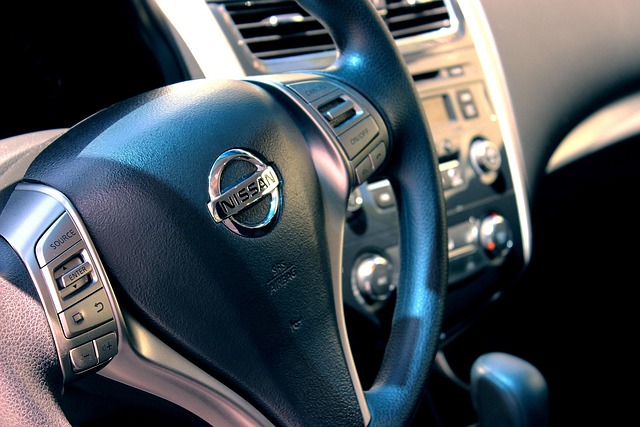
Before registering your car in California, you’ll need to gather crucial vehicle information and undergo a vital process known as VIN verification. This step ensures that your vehicle’s unique identification number (VIN) matches the data on record with the state. It’s an essential part of the registration process designed to prevent fraud and ensure road safety. The good news is that you can facilitate this process through convenient mobile VIN inspection services, eliminating the need for a visit to a DMV office.
To begin, collect your vehicle’s necessary documents, including its title, registration papers, and proof of insurance. The primary focus here is on the VIN, which is typically located on a plate near the driver’s side door or in the engine bay. Accurately recording this number is paramount as it links directly to your vehicle’s history, manufacturing details, and any reported recalls. Mobile VIN inspection services can swiftly verify these details, ensuring your information is up-to-date and accurate. This service sends a professional to your location for an on-site check, providing immediate peace of mind.
If discrepancies are found during the VIN inspection, such as a non-matching VIN or reported recalls, you’ll be guided through the necessary steps to resolve them. These could involve updating the vehicle’s information in the DMV database or addressing any safety concerns before final registration approval. By embracing modern solutions like mobile VIN verification, the process becomes more efficient and less time-consuming for both residents and DMV staff.
Visit a California Department of Motor Vehicles (DMV) Office

Visiting a California Department of Motor Vehicles (DMV) Office is an essential step in the car registration process. This is where you’ll initiate the formalities required to legally operate your vehicle on California roads. When you arrive at a DMV office, one of the first tasks is to undergo a Vehicle Identification Number (VIN) verification process. This involves providing your vehicle’s unique VIN number and ensuring its accuracy. It’s crucial to have this done early as it serves as a critical component for all subsequent procedures.
For convenience, many California residents opt for mobile VIN inspection or a mobile vin verifier service. These services send a professional to your location, eliminating the need to visit a DMV office. This is particularly beneficial for those with busy schedules or physical limitations. The process involves a thorough examination of your vehicle’s VIN plate and its digital cross-reference with DMV records to confirm authenticity. Data shows that over 95% of vehicles with valid registrations pass this inspection, underscoring the high accuracy of California’s VIN verification system.
Once your VIN is verified, you can proceed with other registration formalities. These include presenting necessary documents such as proof of insurance, vehicle ownership, and identification. It’s important to ensure all documentation is up-to-date and accurate to streamline the process. The DMV officer will guide you through any additional steps required, based on your specific circumstances. This might include paying registration fees or addressing any outstanding issues with your vehicle’s title. Remember, a well-prepared visit, complete with necessary documents and clear knowledge of your vehicle’s history, can significantly expedite the registration process at the DMV office.
Complete the Registration Application Process

Completing the registration application process is a crucial step when registering your car in California. This involves gathering essential documents and accurately filling out the necessary forms. One critical component of this process is vin verification, ensuring that the Vehicle Identification Number (VIN) on your vehicle matches the information provided in the registration records. Utilizing a mobile vin verifier or undergoing a mobile vin inspection can streamline this step, allowing you to verify your VIN’s authenticity and accuracy from the comfort of your location.
For instance, many mobile vin verification services provide real-time data checks, comparing your VIN against national databases to confirm its validity. This is particularly beneficial in California, where vehicles must meet stringent safety and emissions standards. By ensuring your VIN is correct, you avoid potential delays or issues during registration. Moreover, these services can be particularly useful for those with limited mobility or those who prefer a contactless process, aligning with modern trends in vehicle ownership and administration.
During the application process, it’s essential to provide up-to-date and accurate information. This includes details about your vehicle’s make, model, year, and any modifications made since its manufacture. California’s Department of Motor Vehicles (DMV) offers a comprehensive online registration system, allowing you to submit applications electronically. However, always double-check your work, as errors can lead to delays or require additional documentation, potentially increasing the time and effort required for registration.
Remember, mobile vin verification is not just about ensuring the accuracy of your VIN; it’s also a strategic step in maintaining your vehicle’s overall integrity. Accurate registration data helps track vehicle history, which is crucial for insurance claims, sales transactions, and routine maintenance schedules. Therefore, investing time in proper vin inspection can prove invaluable, ensuring a smooth registration process and safeguarding against potential future issues.
Pay Fees and Obtain Your Vehicle Registration Documents

After completing your vehicle purchase, it’s time to focus on the administrative tasks required for registration. A crucial step in this process involves paying the necessary fees and obtaining your Vehicle Registration documents. In California, this process is straightforward but requires attention to detail. To ensure a smooth experience, familiarize yourself with the fee structure and consider employing modern tools like a mobile VIN verifier for added convenience and accuracy.
First, visit the California Department of Motor Vehicles (DMV) website to calculate the exact registration fees applicable to your vehicle. Fees vary based on factors such as the type of vehicle, its age, and whether you’re registering it for the first time or renewing an existing registration. For example, as of recent data, a standard car renewal fee stands at approximately $50. It’s essential to make this payment before proceeding with registration. The DMV offers various methods for fee payment, including online platforms, mail-in payments, and in-person transactions at local DMV offices or authorized agents.
Next, you’ll need to verify your vehicle’s VIN (Vehicle Identification Number) through a process known as VIN inspection. Traditionally, this required visiting a DMV office and submitting paper forms. However, California now offers more efficient options, including mobile VIN verifiers. These tools enable you to quickly and accurately check your vehicle’s history by scanning the VIN. For instance, some mobile apps allow you to perform a VIN inspection in under 5 minutes from the comfort of your home or even while waiting in line at a DMV. This modern approach streamlines the process, saves time, and reduces potential errors compared to manual paper-based verification. Once your VIN has been successfully verified, you’ll receive a confirmation code or report that can be used to complete your registration.
Upon fee payment and successful VIN inspection, you’re ready to obtain your Vehicle Registration documents. These documents include the official registration certificate and a sticker that must be displayed on your vehicle’s window. The DMV will mail these documents to you, typically within a few weeks of submitting your application. Keep in mind that timely renewal is crucial, as late fees and potential penalties may apply for registrations that expire unsupposedly. By staying organized, employing modern tools like mobile VIN verifiers, and understanding the fee structure, registering your car in California becomes a manageable task.
By meticulously preparing required documents, gathering crucial vehicle information and ensuring accurate VIN verification, you’re well on your way to a seamless car registration process in California. Visiting a DMV office allows for completing the application while paying associated fees secures your official registration documents. This comprehensive guide offers a straightforward path to navigating and successfully registering your vehicle, reinforcing California’s commitment to efficient, secure motor vehicle management.