

Registering a car in California is a crucial step for any new owner, ensuring legal compliance and ownership rights. However, navigating the process can be confusing, with its unique requirements and paperwork. This comprehensive guide aims to demystify the registration journey, providing a clear path for successful completion. We’ll detail each step, emphasizing the importance of accurate documentation and, specifically, VIN verification to ensure your vehicle’s identity is confirmed. By following these authoritative instructions, you’ll be well-prepared to register your car seamlessly and with confidence in the Golden State.
- Prepare Required Documents for Car Registration
- Locate Your Vehicle's Unique VIN for Verification
- Gather Necessary Information from the Seller
- Submit Application and Pay Fees Online or In-Person
- Receive Confirmation & Register Your Vehicle Successfully
Prepare Required Documents for Car Registration

Before you can register your car in California, you’ll need to gather essential documents and ensure all legal requirements are met. One critical step is preparing for the Vehicle Identification Number (VIN) verification process. The California Department of Motor Vehicles (DMV) requires a valid VIN inspection to establish ownership and vehicle authenticity. This process involves using a mobile VIN verifier or conducting a manual VIN inspection to cross-reference the vehicle’s information with state records.
During VIN verification, you’ll need to provide both physical documents and digital data. Start by gathering your car’s registration papers from previous states, if applicable, along with any title documents. Additionally, have your vehicle’s maintenance records handy as they can support the condition of your car. For a smooth process, consider digitizing these documents to easily share them during mobile VIN inspections. Many apps and online platforms now offer secure methods for storing and sharing such important paperwork.
A practical step is to familiarize yourself with what the DMV considers acceptable proof of ownership. This includes official documentation from a reputable source, such as a car dealership or licensed seller. If you’re transferring ownership, ensure the seller provides a signed title document. For classic cars or vehicles with unique histories, be prepared to offer additional documentation like restoration records or appraisals. By proactively organizing these documents, you can streamline the registration process and avoid potential delays due to incomplete paperwork.
Locate Your Vehicle's Unique VIN for Verification
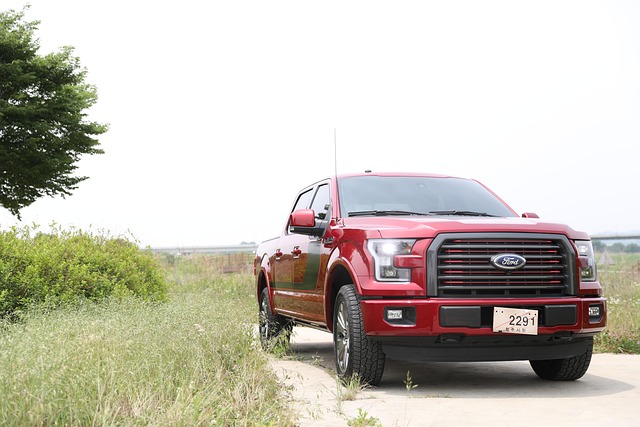
To register your car in California, you’ll need to ensure every detail is accurate and legitimate, starting with your vehicle’s unique Identification Number (VIN). This 17-character code is the key to verifying ownership and history, a crucial step in the registration process. The VIN acts as a fingerprint for your car, providing insights into its make, model, year, and even previous owners. In California, a VIN inspection is often conducted to prevent fraud and ensure compliance with vehicle regulations.
Locating your VIN is straightforward but essential. It’s typically found on a plate attached to the driver’s side door frame or the engine hood. For older vehicles, check the dashboard near the steering wheel or consult the owner’s manual. Once you’ve identified it, note down the exact characters—any errors during this critical step can lead to registration delays. Many resources online offer guidance on how to read and interpret a VIN, but for accurate verification, consider using official tools provided by the California Department of Motor Vehicles (DMV).
For added convenience, mobile VIN verification services have gained popularity. These services send an expert to inspect your vehicle, ensuring the VIN is legitimate and matching the registered data. This approach is particularly useful if you’ve recently purchased a used car or want peace of mind before completing the registration process. With a few phone calls or online requests, you can have a professional confirm your VIN in a matter of hours, streamlining your journey to register your car in California.
Gather Necessary Information from the Seller
Before diving into the registration process, it’s crucial to gather essential information from the seller, especially the Vehicle Identification Number (VIN). This unique 17-character code serves as a digital fingerprint for your car and is vital for accurate vin inspection and verification. Start by requesting the VIN from the seller—it’s typically located on the vehicle’s dashboard, near the windshield, or on the driver’s side door post. Properly recording this number will enable you to conduct a mobile vin inspection or verify it with state officials later.
For instance, let’s say you’re buying a used car. The seller provides you with the VIN, which you enter into an online database for vin verification. This step ensures that the vehicle’s history is transparent and free from discrepancies. In California, accessing the Department of Motor Vehicles (DMV) website to validate the VIN is straightforward. A simple search can reveal the vehicle’s past ownership, accident history, and outstanding recalls, giving you a comprehensive overview before completing the registration.
Additionally, consider utilizing mobile vin inspection services for convenience. These applications allow you to conduct real-time VIN checks using your smartphone. By scanning the VIN with your phone’s camera, you can instantly access detailed vehicle information, including its age, make, model, and any reported issues. This proactive approach ensures that both you and the DMV have accurate data, streamlining the registration process and reducing potential errors.
Submit Application and Pay Fees Online or In-Person
Registering a car in California involves several crucial steps, and one of them is submitting your application and paying the required fees. You have two primary options for this process: completing it online or visiting a local DMV office. Both methods require accurate information and proper documentation, ensuring that all details match the vehicle’s unique Vehicle Identification Number (VIN). This accuracy is vital during what’s known as VIN verification, which checks against national databases to prevent fraud.
Online submissions have gained popularity due to their convenience. You can start the process from the comfort of your home, filling out forms available on the California DMV website. Here, you’ll enter your vehicle’s details, including its make, model, year, and VIN. After double-checking for errors, submit the application and proceed to pay the fees using a secure online payment method. This digital approach streamlines the process but requires reliable internet access and a basic understanding of the system.
Alternatively, visiting a DMV office remains an efficient option, especially if you have questions or need assistance. At the DMV, you’ll interact with a representative who can guide you through the application process. They may perform a mobile VIN inspection to verify your vehicle’s details right there, ensuring precision and convenience. This hands-on approach is beneficial for those unfamiliar with online systems or those seeking immediate assistance. Remember, whichever method you choose, ensuring accuracy during VIN verification remains paramount in maintaining California’s robust motor vehicle record system.
Receive Confirmation & Register Your Vehicle Successfully
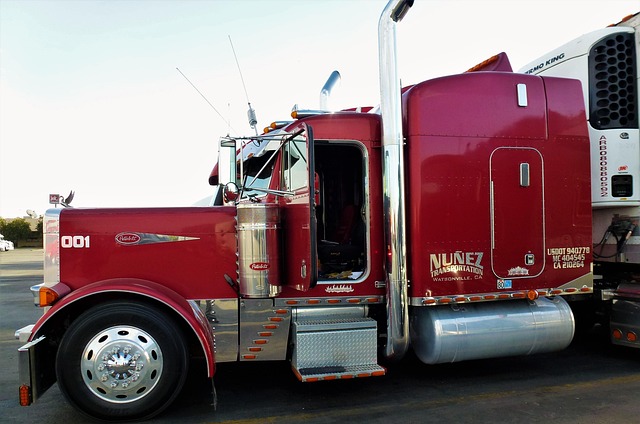
After completing the initial registration process with the California Department of Motor Vehicles (DMV), the next crucial step is to receive confirmation and officially register your vehicle. This final stage involves verifying the Vehicle Identification Number (VIN) to ensure the accuracy of the data provided during the application. A mobile VIN verifier or inspection service can significantly streamline this process, offering both convenience and peace of mind.
Many registered car owners opt for a mobile VIN inspection, allowing them to verify their vehicle’s details remotely. This method involves a professional using specialized equipment to cross-reference the VIN with national databases, ensuring its authenticity and checking for any reported issues or recalls. For instance, services like Carfax or AutoCheck provide digital reports within minutes, offering detailed information about the vehicle’s history and condition.
Once your VIN is verified, you can finalize the registration at the DMV. Having a mobile VIN inspection ensures that any potential problems are identified early on, preventing future complications. This extra step, though often overlooked, is a vital part of responsible car ownership, ensuring both legal compliance and personal safety. By utilizing modern tools like mobile VIN verifiers, California drivers can confidently navigate the registration process, resulting in smooth operations and enhanced vehicle management.
By meticulously preparing required documents, locating your vehicle’s unique VIN for verification, gathering essential information from the seller, submitting applications with accurate details, and paying relevant fees, you can successfully register your car in California. VIN verification is a crucial step that ensures the authenticity of your vehicle, streamlining the registration process. This comprehensive guide equips readers with the knowledge to navigate the registration process efficiently, ensuring their vehicles are legally registered and road-ready.