

Registering a car in California is not just a bureaucratic formality; it’s a critical step to ensure your vehicle’s legal status and your personal safety on the road. However, navigating the process can be challenging, with multiple agencies involved and varying requirements depending on your circumstances. This article serves as your comprehensive guide, empowering you to streamline the registration process. We’ll detail each step, from gathering essential documents to utilizing reliable VIN verifiers, ensuring accuracy and compliance. By the end, you’ll be equipped with the knowledge to successfully register your vehicle in California.
- Prepare Required Documents for Car Registration
- Verify Vehicle Identification Number (VIN) with CA DMV
- Choose a Registration Method: Online or In-Person
- Complete the Registration Application Form Accurately
- Pay Registration Fees and Receive Your License Plate
Prepare Required Documents for Car Registration

Before you can register your car in California, it’s crucial to prepare all the required documents, including proof of ownership and vehicle identification number (VIN) verification. The process involves ensuring that your vehicle meets safety standards and legal requirements. One essential step is conducting a VIN inspection, which can be easily done using a mobile VIN verifier for accuracy and convenience. This tool allows you to confirm the vehicle’s history, identify any potential issues, and ensure it has not been reported as stolen or had its identity altered.
In California, the Department of Motor Vehicles (DMV) requires a comprehensive set of documents for car registration. This includes the Vehicle Registration Application form, proof of insurance, and payment for the registration fee. Additionally, you must provide a valid driver’s license or state ID card, which can be done both online or in-person at a DMV field office. For out-of-state vehicles, you might need to present an out-of-state title along with other documents to establish ownership and complete the registration process smoothly.
To streamline the preparation process, consider using digital tools for VIN inspection 1-3 times before submitting your application. Mobile VIN verifiers provide a fast and reliable method to check the vehicle’s history and current status, reducing potential delays during registration. By ensuring all documents are in order and accurately reflecting the car’s condition, you can efficiently navigate the registration process and hit the California roads without hassle.
Verify Vehicle Identification Number (VIN) with CA DMV
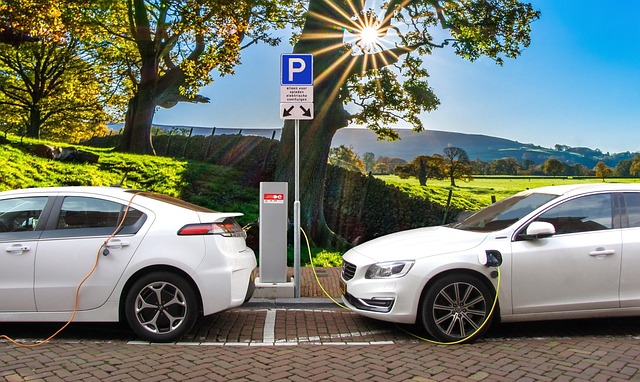
Verifying the Vehicle Identification Number (VIN) is a crucial step in the car registration process in California. This unique 17-character code serves as a digital fingerprint for your vehicle, providing essential information about its make, model, year, and production history. To ensure accuracy and security, the California Department of Motor Vehicles (DMV) requires that you use a reliable VIN verifier during the registration process. A mobile VIN verifier or mobile vin inspection tool can be particularly convenient, as it allows for on-site, real-time verification during your visit to the DMV.
When utilizing a mobile VIN verifier, you simply scan or enter the VIN into the application, which then cross-references the data with official databases. This instant validation ensures that your vehicle matches the reported specifications and helps prevent fraud or identity theft. Moreover, having access to this information upfront can streamline the registration process, saving you time and potential hassle. For instance, if there are any discrepancies between the reported VIN and the actual vehicle, such as a title issue or odometer rollback, these mobile tools can help identify them early in the registration journey.
To make sure your car is ready for California roads, it’s essential to use an approved and reliable VIN verifier. Many third-party applications offer this service, with some even providing additional features like vehicle history reports. However, ensure that the tool is trusted and meets the DMV’s standards to avoid any complications later. By taking this step, you’re not only adhering to California’s regulations but also protecting yourself from potential problems associated with a car’s history or identity.
Choose a Registration Method: Online or In-Person

When registering a car in California, choosing between online and in-person registration methods offers convenience and efficiency. Online registration is increasingly popular for its speed and accessibility, allowing you to complete the process from the comfort of your home or office. The California Department of Motor Vehicles (DMV) provides an efficient online system that guides you through data entry and document submission, making it a seamless experience for most vehicle owners. However, some may prefer the personalized assistance offered by in-person registration at a local DMV field office.
For those who opt for in-person registration, preparing the necessary documents and understanding what to expect is key. This approach involves visiting a DMV location where a representative will guide you through the process. They’ll verify your identity, vehicle information, and insurance details before processing your registration. Although it may take slightly longer than online registration, this method ensures immediate feedback and clarifications if needed.
A practical consideration is leveraging mobile vin inspection and verification services to streamline the preparation phase. These services allow you to quickly and accurately obtain a vehicle’s history using its unique VIN (Vehicle Identification Number). For instance, many auto repair shops and specialized platforms offer mobile vin inspection, providing peace of mind before visiting the DMV. This proactive approach can help identify potential issues early on, making registration smoother and ensuring your car meets all safety standards.
Complete the Registration Application Form Accurately

Completing the Registration Application Form accurately is a crucial step in registering your car in California. The form requires meticulous attention to detail as any errors can lead to delays or rejection of your application. Start by ensuring all vehicle identification number (VIN) details are entered precisely. This includes the VIN itself, which serves as a unique identifier for your vehicle, and its verification through reliable methods like mobile VIN verification or VIN inspection services. California’s Department of Motor Vehicles (DMV) recommends using official tools to verify the VIN, such as those provided by trusted third-party services, to ensure accuracy.
For instance, using a mobile VIN verification service allows you to quickly confirm key vehicle specifications and history through your smartphone, enhancing the accuracy of your application. This is particularly beneficial when purchasing a used car, as it enables you to cross-reference the VIN with reputable databases to uncover any potential issues or accidents the vehicle may have endured. Moreover, some mobile apps even provide additional insights like estimated worth and residual value, aiding in informed decision-making during the registration process.
When filling out the form, double-check that all information associated with the VIN is correct and complete. This includes the make, model, year, and any previous ownership details. Inaccurate or missing data can cause significant delays as the DMV will require additional verification, which may involve contacting you for further clarification or even requesting physical documents to validate your claims. To streamline this process, keep all relevant records organized, including purchase papers, repair bills, and any documentation related to recent VIN inspections conducted through mobile services.
Pay Registration Fees and Receive Your License Plate

To complete the registration process in California, you’ll need to pay the required fees, which include a base cost plus additional charges based on your vehicle’s emissions level. The California Department of Motor Vehicles (DMV) offers several payment methods, including debit or credit cards and checks. Once your payment is processed, the DMV will issue your license plate. This crucial step finalizes your vehicle’s registration and allows you to legally operate it on California roads.
A key part of this process involves using a mobile VIN verifier to ensure the vehicle’s identity and history are accurately represented. The Vehicle Identification Number (VIN) is a unique code that can reveal vital information about a car, such as its make, model, year, and previous owners. By utilizing a mobile VIN verification service, you can streamline this process, making it more efficient and convenient. For instance, many mobile VIN inspection apps allow you to input your VIN and instantly receive detailed vehicle history reports, including accident records, odometer readings, and service histories.
Before receiving your license plate, ensure all required documents are in order, including proof of insurance and a valid driver’s license. Additionally, some counties in California may have specific requirements for registering vehicles, so it’s advisable to check with your local DMV branch or use their official website to confirm the exact steps needed. By following these procedures diligently, you’ll successfully complete the registration process, enabling you to enjoy your vehicle with peace of mind.
Registering a car in California involves a straightforward process that requires careful preparation and attention to detail. Key insights include gathering all necessary documents, accurately verifying the Vehicle Identification Number (VIN) using a CA DMV verifier, selecting the appropriate registration method, completing the application form diligently, and paying the associated fees. By following these steps, you ensure a seamless transaction and gain access to California’s road network legally and securely. This comprehensive guide empowers you to navigate the process with confidence, reinforcing the article’s authority on this essential vehicle registration procedure.