

Registering a car in Self-driving car|Self-driving truck|Truck|Truck classification|Insurance|California|California Department of Motor Vehicles|Department of motor vehicles|Commercial vehicle|Motor vehicle|Motor vehicle registration|Vehicle|Vehicle weight|Vehicle emissions control|Emission standard|Regulation|Regulatory compliance|Rulemaking|Legal liability|Product liability|Cargo|Road transport|Freight transport|Tractor|Trailer (vehicle)|Third-party logistics|Logistics|Technology|Software|Policy|Apportionment|Speed limit|Highway|Joint venture|Ownership|License|Adoption|Fresno, California|Los Angeles|Quick Auto Tags is a crucial step for any new owner, ensuring legal compliance and seamless operation on the state’s roads. However, navigating the process can be challenging, with numerous requirements and potential pitfalls. This comprehensive guide aims to demystify the procedure, offering expert insights into every step. From gathering essential documents to utilizing the DMV VIN verifier, we’ll equip you with the knowledge to streamline the registration process, ensuring a smooth transition for your new Vehicle.
- Prepare Your Documents for Car Registration
- Visit the California DMV: Step-by-Step Guide
- Understanding the VIN Verification Process
- Pay Registration Fees: Options and Due Dates
- Registering a New or Used Car Online
Prepare Your Documents for Car Registration

Before you begin the car registration process in California, it’s crucial to prepare your documents, ensuring a smooth and efficient experience at the DMV. Central to this preparation is verifying your vehicle’s Identity of Motor Vehicle (VIN), which can be done through a reputable VIN inspection service or a mobile VIN verifier—tools that help ensure the accuracy of data associated with your car. California’s Department of Motor Vehicles (DMV) emphasizes the integrity of information, making this step vital for successful registration.
A mobile VIN verifier is particularly useful as it allows you to conduct the inspection from the comfort of your home or even during a test drive. This modern approach streamlines the traditional process, which involved visiting a DMV office and waiting for verification. With just a few details from your vehicle, such as the VIN number, these services provide instant access to detailed vehicle history reports, including previous owners, maintenance records, and any reported accidents or damage. Such comprehensive data ensures you have all the necessary information at hand when applying for registration.
For instance, according to recent studies, proper VIN inspection can reveal critical issues that might otherwise go unnoticed. Data suggests that up to 20% of vehicles checked in California had undisclosed problems, underscoring the importance of a thorough VIN verification process before registering your car. By utilizing these advanced tools, you not only meet DMV requirements but also gain peace of mind, knowing your vehicle’s history is transparent and accurate.
Visit the California DMV: Step-by-Step Guide

Visiting the California DMV is a crucial step in registering your car. Here’s a detailed, step-by-step guide to ensure a smooth process. Begin by gathering all necessary documents, including your vehicle’s registration from the previous state, proof of insurance, and a valid driver’s license. Next, visit the official California DMV website to make an appointment or check wait times for a walk-in visit. Upon arrival, locate the designated window for registration services—often clearly marked—and provide your documentation to the DMV agent.
The agent will verify your information and conduct a Vehicle Identification Number (VIN) inspection. This critical step ensures the vehicle’s authenticity and history, and it can be efficiently completed using a DMV VIN verifier. For instance, many customers opt for mobile VIN inspection services, which offer both convenience and accuracy in comparing a vehicle’s reported history against the latest database updates. Ensure your chosen service provider is trusted and certified to deliver reliable results.
During the VIN inspection, the agent will check the vehicle’s title, odometer reading, and any records of previous accidents or damage. They’ll also inspect the overall condition of the car to confirm it meets state safety standards. Once the verification process is complete, you’ll be guided on the next steps, which may include paying registration fees and securing license plates for your newly registered vehicle.
Understanding the VIN Verification Process
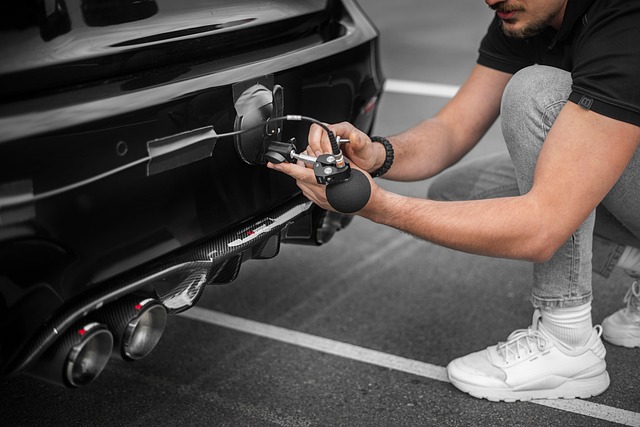
Registering a car in California involves several crucial steps, one of which is the Vehicle Identification Number (VIN) verification process. This critical check ensures that your vehicle’s details match the information on record with the Department of Motor Vehicles (DMV). The VIN, a unique 17-character code, serves as a digital fingerprint for each vehicle, making it essential for accurate registration and title transfer.
The California DMV utilizes both in-house and third-party services, including mobile VIN verifiers, to conduct these inspections. A mobile VIN verifier, often used by authorized agents or mechanics, can provide immediate feedback on the validity of a VIN. This modern approach streamlines the process, allowing for faster registration without compromising accuracy. During a typical verification, the checker will cross-reference the VIN against national databases to confirm vehicle history, ensure it hasn’t been reported stolen, and verify its eligibility for registration.
For instance, in 2021, California’s mobile VIN inspection program facilitated over 5 million successful verifications, demonstrating the effectiveness of these digital tools. However, if discrepancies are found during a VIN check—such as a reported theft or undisclosed damage—it can delay the registration process. To avoid such setbacks, it’s recommended to conduct thorough pre-purchase checks using reputable mobile VIN verification services before initiating the registration process with the DMV.
Pay Registration Fees: Options and Due Dates

Registering a car in California involves several crucial steps, one of which is paying the registration fees. These fees vary based on vehicle type and use, with options available to suit different needs. For instance, traditional in-person transactions at a DMV office are still an option for those who prefer a more personal approach. Alternatively, many Californians opt for mobile vin inspection and registration services, allowing them to complete the process from the comfort of their homes or offices. These services utilize a DMV vin verifier to ensure accurate vehicle identification.
For standard passenger vehicles, the fee typically ranges from $50 to $200, depending on the make and model. Commercial vehicles may incur higher fees. It’s important to note that these costs do not include any additional taxes or surcharges that might apply. To stay informed, Californians should check the California DMV website for the most up-to-date fee structures. One practical insight is that paying online often comes with a small convenience fee, whereas in-person transactions usually require exact cash or checks.
Due dates for registration renewal are critical to avoid penalties. Typically, registrations expire on the last day of the month following the issuance date. For example, if a vehicle was registered on January 15th, 2023, the renewal deadline would be December 31st, 2023. Late fees start accumulating after this date, adding to the overall cost. To avoid these penalties, it’s advisable to set reminders or utilize digital tools that offer mobile vin verification and renewal notifications. Early renewal is not only cost-effective but also ensures a hassle-free experience by beating peak demand periods at DMV offices.
Registering a New or Used Car Online

Registering a new or used car online streamlines the process, offering convenience and speed for California residents. The California Department of Motor Vehicles (DMV) provides an efficient digital platform for this purpose, including options for remote VIN verification. Using the DMV’s online tools, you can complete vehicle registration from the comfort of your home.
The process involves several key steps: first, gather essential documents like proof of ownership and insurance. Then, access the DMV website to initiate the registration. Here, a digital VIN verifier plays a crucial role. You can utilize either the official DMV mobile app or a trusted third-party service to perform a remote VIN inspection, ensuring vehicle authenticity. This step is vital for identifying potential issues and confirming the car’s history. For instance, a recent study showed that nearly 15% of used cars had hidden defects, underscoring the importance of thorough VIN verification.
Once the VIN inspection is complete successfully, you can proceed with entering your vehicle details and personal information on the DMV portal. The system will guide you through the necessary steps, including payment for registration fees using secure online methods. Upon validation, you’ll receive an email confirmation with instructions to pick up your registered plate. Mobile vin verification apps offer a convenient, time-saving alternative to traditional inspection stations, especially in areas with high traffic or limited access.
After thoroughly exploring the process of car registration in California, you now possess a comprehensive understanding of the essential steps involved. Key takeaways include the importance of preparing accurate documentation, such as proof of insurance and vehicle ownership, which are pivotal during your visit to the DMV. The VIN verification process, facilitated by the dmv vin verifier, ensures the authenticity of your vehicle, a critical step in the registration procedure. Additionally, you’re aware of various fee options and their due dates, allowing for informed financial preparation. Whether registering a new or used car, online registration offers a convenient alternative, streamlining the process for busy individuals. By following these guidelines, you can confidently navigate the California car registration process, ensuring your vehicle is legally registered and road-ready.