

Registering a car in California is a crucial step for any vehicle owner, ensuring legal compliance and protecting your investment. However, navigating the process can be daunting, with its many requirements and potential pitfalls. This comprehensive guide aims to demystify the procedure, offering clear instructions and expert insights. We’ll walk you through each step, from gathering essential documents to performing a VIN verification, ensuring a smooth and stress-free experience. By following these proven strategies, you’ll confidently navigate the car registration process in California.
- Gather Required Documents for Car Registration
- Prepare for Vehicle Identification Number (VIN) Verification
- Visit a California Department of Motor Vehicles (DMV) Office
- Complete the Registration Application Process
- Pay Fees and Receive Your Registration Documents
Gather Required Documents for Car Registration

Registering a car in California involves several steps, and one of the critical initial stages is ensuring you have all the necessary documents. This process can be streamlined by understanding what’s required before heading to the Department of Motor Vehicles (DMV). Key among these documents is the Vehicle Identification Number (VIN) verification, which plays a pivotal role in establishing the vehicle’s identity and ownership history. A valid VIN inspection ensures that the car matches the information on the registration papers.
A common challenge many California residents face is obtaining accurate and up-to-date documentation from various sources. This is where mobile VIN inspection services come into play, offering a convenient solution. These services use advanced technology to perform a VIN verification process right at your location, whether it’s your home or office. They provide instant access to detailed vehicle history reports, including previous owners, maintenance records, and any reported accidents, ensuring a comprehensive understanding of the car before registration.
For instance, a recent study by the DMV revealed that up to 4% of vehicles presented for registration had discrepancies in their documentation. Utilizing a mobile VIN verifier can significantly reduce this risk. These services are particularly beneficial for buying used cars, as they allow buyers to make informed decisions and protect against potential fraud. By combining traditional VIN inspection methods with modern digital solutions, Californians can ensure a smooth car registration process.
Prepare for Vehicle Identification Number (VIN) Verification
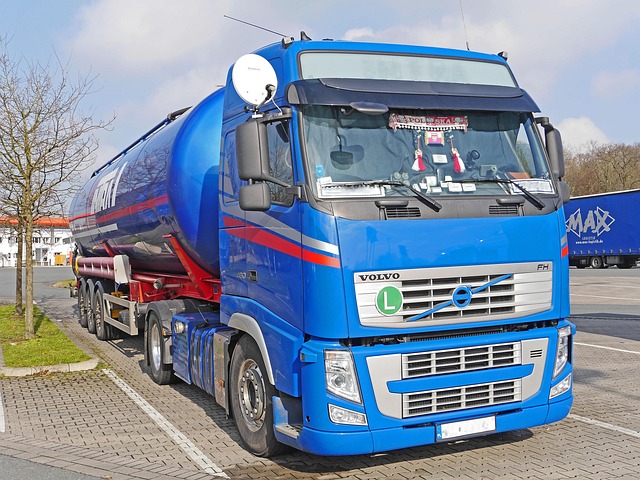
Before registering your car in California, it’s crucial to prepare for the Vehicle Identification Number (VIN) verification process. This step is a critical component of the registration procedure, ensuring that the vehicle you’re submitting for registration is genuine and has met all safety standards. A mobile VIN verifier or a professional vin inspection service can play a significant role here, as these tools provide on-site, immediate results, streamlining the entire process.
During VIN verification, a California Department of Motor Vehicles (DMV) agent will cross-reference your car’s unique VIN with state and national databases to check for any discrepancies or outstanding issues. This inspection 1-3 times faster when using modern mobile vin inspection technologies compared to traditional methods. For instance, advanced verifiers can instantly access vehicle history reports, detect potential odometer rollbacks, and confirm manufacturer details, all of which are essential for a smooth registration experience.
To prepare, ensure your car’s VIN is legible and accurately displayed on both the vehicle itself and its title documents. Double-check for any errors or alterations that might trigger red flags during verification. Moreover, keep necessary paperwork organized, including ownership documents, insurance information, and any relevant maintenance records. These measures will not only facilitate the vin verification process but also demonstrate your commitment to transparency and responsible car ownership in California.
Visit a California Department of Motor Vehicles (DMV) Office

Registering a car in California involves several steps, and one of the crucial stages is visiting a California Department of Motor Vehicles (DMV) office for verification processes. This physical interaction ensures the accuracy of your vehicle’s information and facilitates a smooth registration process. Upon arrival at the DMV, you’ll need to present essential documents, including proof of ownership, identification, and a valid registration from your previous state (if applicable). A key aspect of this visit is the Vehicle Identification Number (VIN) verification, which plays a vital role in establishing the car’s history and authenticity.
The VIN, a unique code imprinted on a metal plate inside the vehicle, serves as a fingerprint for your car. DMV officials conduct a thorough VIN inspection to ensure it matches the data in their records. This process is especially important when transferring ownership or registering a vehicle with a new California license plate. For instance, a mobile VIN verification service might be employed by the DMV to cross-check the number against national databases, providing instant feedback on any potential issues like odometer rollbacks or non-compliance with emissions standards.
If you’re new to California, you’ll likely require a dual inspection, where both a safety and emission test are conducted alongside the VIN verification. These checks ensure your vehicle meets the state’s safety and environmental standards. Many DMV offices now offer online appointments for these visits, streamlining the process. Remember, a meticulous approach to these procedures not only facilitates timely registration but also helps protect you from potential legal issues related to stolen vehicles or fraudulent registrations.
Complete the Registration Application Process
Registering a car in California involves several steps, and one of the crucial aspects is completing the registration application process. To initiate this, you’ll need to gather essential documents and ensure your Vehicle Identification Number (VIN) is verified. This verification can be accomplished through various methods, including mobile VIN verification services that offer convenience and accuracy. These services allow for a quick inspection of the VIN, which is critical as it ensures the vehicle’s history is free from any discrepancies or potential theft.
The application process begins with an online form where you’ll input personal details and information about your vehicle. This includes the make, model, year, and yes, the VIN. It’s crucial to enter this number accurately, as it serves as a unique identifier for your car, providing access to its complete service history. Many mobile VIN verifiers can facilitate this step by offering remote inspection services, eliminating the need for you to visit a DMV office or dealership. By comparing the results from a mobile VIN verifier with the data provided by the vehicle’s manufacturer, you ensure that the vehicle is as described and genuine.
Once your application is complete and your VIN has undergone verification, you’ll receive a registration package containing instructions and forms. Fill out these documents accurately and completely, ensuring all required fees are paid. This process may take several weeks, during which you should remain patient, as delays can occur due to various factors, including high demand or extensive vehicle history checks. Remember, proper VIN verification is not just a step in the registration process; it’s also a critical safety measure that helps combat vehicle theft and ensures you’re purchasing or owning a legitimate vehicle.
Pay Fees and Receive Your Registration Documents
After completing your vehicle’s inspection and ensuring all necessary repairs have been made, it’s time to focus on the administrative aspects of registering your car in California. One crucial step in this process is paying the required fees, which vary depending on several factors such as the type of vehicle and its age. You can expect to pay a base fee for registration, along with additional charges for emissions testing or certain special plates. It’s important to be prepared with the necessary funds, as these fees are non-negotiable.
Upon payment, you’ll receive your Registration Documents from the California Department of Motor Vehicles (DMV). These documents confirm that your vehicle meets all legal standards and regulations. In some cases, you may opt for a mobile VIN verification or mobile VIN inspection service to streamline this process. This involves a certified inspector visiting your location to perform a detailed inspection of your car, including checking the Vehicle Identification Number (VIN) and ensuring its authenticity. Services like these can be particularly convenient, especially if you’ve recently purchased a used vehicle.
The DMV will issue your registration certificate and license plate, which you must display on your vehicle at all times. These documents are valid for a specific period, typically reflecting the date of expiration on your old registration. By following these steps diligently, you’ll ensure a smooth registration process and legally operate your vehicle in California. Always keep your registration papers in a secure place to avoid any inconvenience during future renewals.
Registering a car in California involves several crucial steps, from gathering essential documents to completing the application process and undergoing VIN verification. By following these procedures diligently, individuals ensure their vehicles comply with state regulations, facilitating smooth operations on California’s roads. Key insights include preparing all necessary paperwork, understanding the importance of VIN verification, and visiting a DMV office to finalize the registration. This comprehensive approach not only simplifies the process but also ensures your vehicle is legally registered and ready for use, providing peace of mind for both new and existing car owners.